Speak to An Expert For Free

Say No To Urinary Incontinence
Try our new treatment for Urinary Incontinence in Barrie, ON
What Is Urinary Incontinence?
Urinary incontinence refers to the unintentional leakage of urine. It can range from mild, occasional leaks to more frequent or urgent loss of bladder control. While common, it is not an inevitable part of aging and often reflects changes in the pelvic floor muscles, bladder function, or nerve signaling.
Common Types of Urinary Incontinence
Stress incontinence: Leakage during physical activity such as coughing, sneezing, laughing, lifting, or exercise.
Urge incontinence: A sudden, strong urge to urinate followed by leakage, often with little warning.
Mixed incontinence: A combination of stress and urge symptoms.

Pelvic floor therapy offers a conservative, non-invasive approach to addressing these underlying issues.
Related Symptoms and Associated Concerns
Urinary incontinence rarely exists on its own. It is often associated with other pelvic floor–related symptoms, including:
Frequent urination
Sudden urinary urgency
Nocturia (waking at night to urinate)
Difficulty fully emptying the bladder
Pelvic pressure or heaviness
Core instability or pelvic muscle weakness
Over time, untreated pelvic floor dysfunction may contribute to:
Reduced physical activity or exercise avoidance
Disrupted sleep
Increased anxiety or self-consciousness
Social withdrawal
Decreased confidence and quality of life
Why Pelvic Floor Health Matters
The pelvic floor muscles play a critical role in bladder control, core stability, and support of pelvic organs. When these muscles weaken or lose coordination, bladder symptoms can develop or worsen. Addressing pelvic floor function early can help:
Improve bladder control
Reduce symptom progression
Support overall pelvic and core health
Restore confidence in daily activities
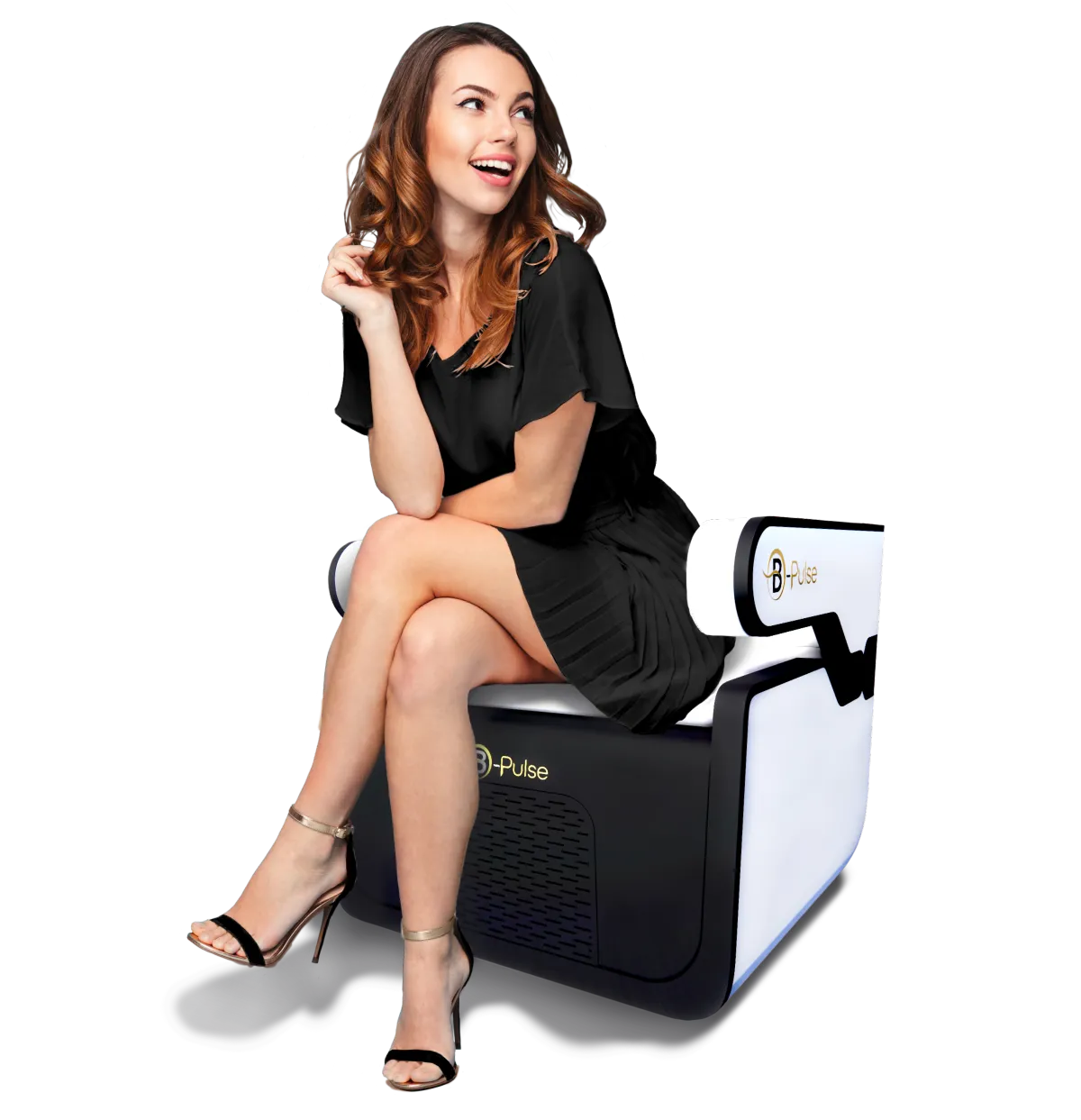
How It Works:
Targeted electromagnetic stimulation activates and strengthens the pelvic floor muscles effortlessly. You only have to sit in the chair!
During a B-Pulse session, you sit comfortably while the device delivers focused electromagnetic pulses to the pelvic floor muscles. These pulses cause the muscles to contract and relax repeatedly, similar to performing hundreds of precise pelvic floor exercises in a single session.
No needles
No surgery
No downtime
Fully clothed treatment
Each session typically lasts about 30 minutes, and most patients complete a short series of treatments for optimal results.
Why The CoreToFloor Protocol?
Pelvic floor weakness is common... but it doesn’t have to be something you “just live with.” Strengthening the pelvic floor can help:
Reduce or eliminate urinary leakage
Improve bladder control and urgency
Support pelvic organs
Enhance core stability and posture
Restore confidence in daily activities and exercise
Early treatment can prevent symptoms from worsening over time and may reduce the need for more invasive interventions later.
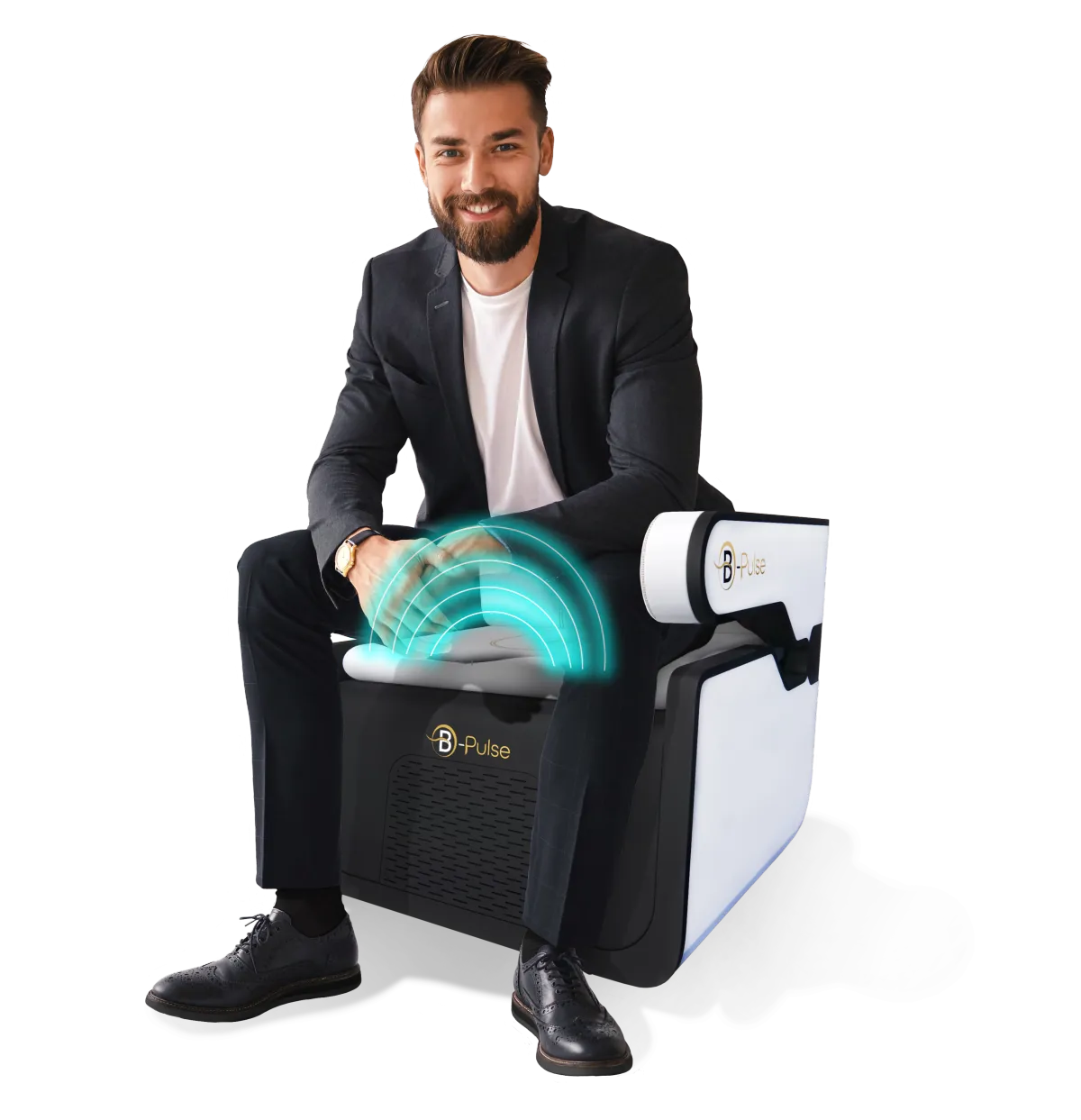
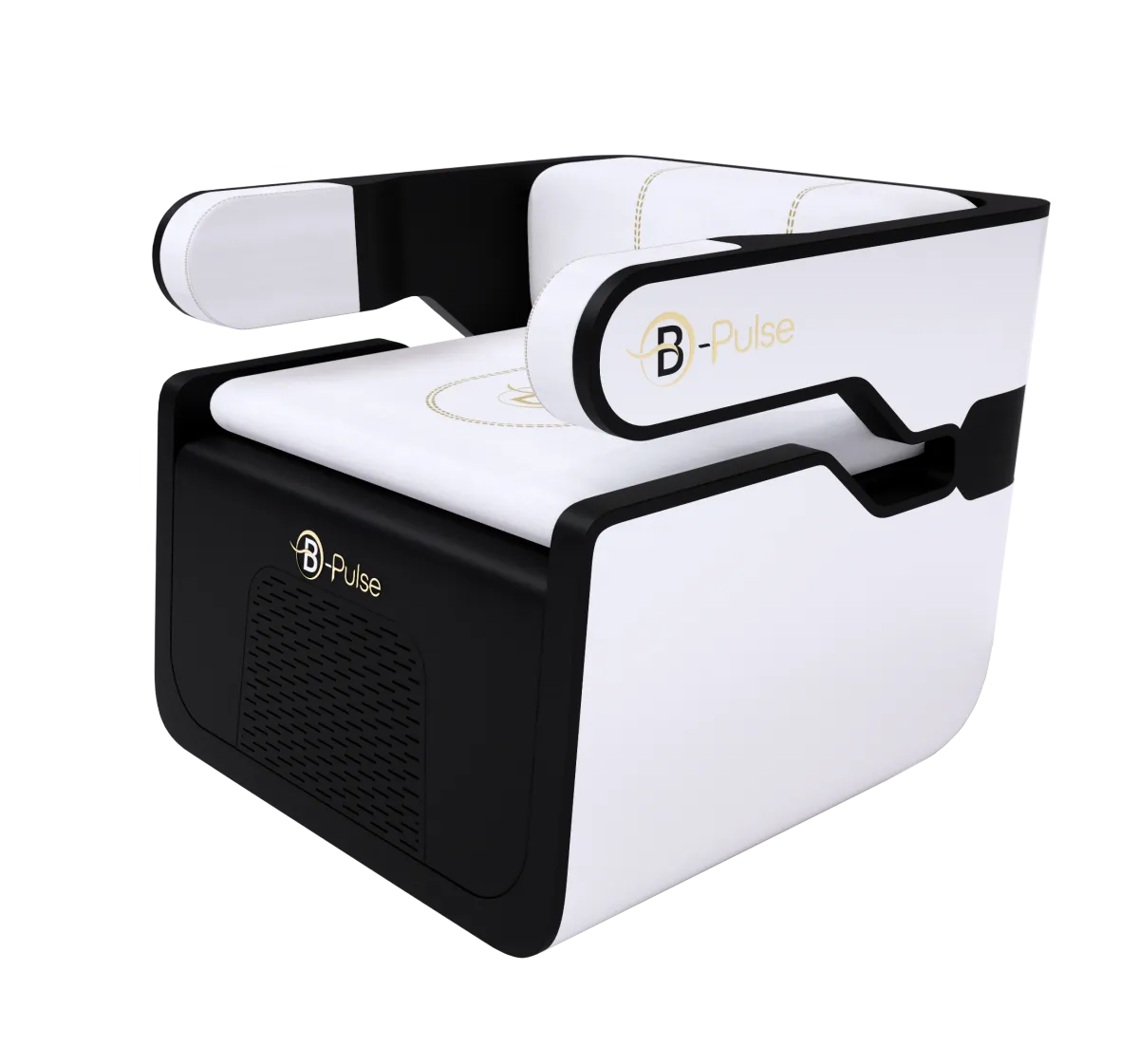

Try The B-Pulse Chair
This treatment is for people who want better bladder control, pelvic strength, and confidence... without surgery or medication.
The B-Pulse Pelvic Floor Therapy might be right for you if you:
Experience urinary leakage when coughing, sneezing, laughing, or exercising
Have urgency or frequent trips to the bathroom
Are recovering from pregnancy, childbirth, or pelvic surgery
Are dealing with age-related pelvic floor weakness
Want to strengthen pelvic muscles but struggle with Kegels or consistency
Prefer a non-invasive, clinic-based treatment option
Pelvic Floor Therapy For Women
Support your pelvic floor through every stage of life.
Pregnancy, childbirth, hormonal changes, and aging can all impact pelvic floor strength. When these muscles weaken, symptoms like leakage, urgency, or pelvic discomfort can begin to interfere with everyday life.
B-Pulse pelvic floor therapy may help women who experience:
Stress incontinence (leakage when coughing, sneezing, or exercising)
Urinary urgency or frequency
Pelvic floor weakness after pregnancy or childbirth
Core and pelvic instability
Difficulty performing or maintaining pelvic floor exercises
This therapy offers a comfortable, clinic-based way to strengthen pelvic muscles and restore support, without internal devices or invasive procedures.

Pelvic Floor Therapy For Men
Stronger control. Better support. More confidence.
Pelvic floor issues affect men more often than most realize — especially after prostate procedures, with aging, or due to chronic strain on the core and pelvic muscles.
B-Pulse pelvic floor therapy may help men who experience:
Urinary leakage or dribbling
Urgency or frequent urination
Pelvic weakness after prostate surgery or medical treatment
Core instability or pelvic tension
Difficulty engaging pelvic muscles with exercises alone
This non-invasive treatment helps activate and strengthen deep pelvic muscles that support bladder control and daily function... without surgery or medication.

About the B-Pulse Machine
B-Pulse is an advanced, clinically used pelvic floor stimulation system designed for safe, effective muscle strengthening. The B-Pulse system uses high-intensity focused electromagnetic (HIFEM) technology to activate deep pelvic floor muscles that are difficult to engage with traditional exercises alone.
What makes B-Pulse Different?
Delivers consistent, repeatable muscle activation
Targets deep pelvic muscles with precision
Non-invasive and comfortable
Widely used in clinical pelvic health settings
B-Pulse is designed to complement medical care and pelvic health programs under professional supervision.
Frequently Asked Questions
What is urinary incontinence?
Urinary incontinence is the involuntary leakage of urine. It can occur due to weakened pelvic floor muscles, nerve changes, pregnancy, surgery, or aging. It is common and treatable.
Is the treatment painful?
No. Most patients describe the sensation as strong but comfortable muscle contractions. You remain fully clothed and can relax during the session.
How many sessions are needed?
Many patients complete a short series of sessions over several weeks. Your provider will recommend a plan based on your symptoms and goals.
Is there any downtime?
No downtime is required. You can return to normal activities immediately after treatment.
Who should not receive treatment?
Certain medical conditions (such as implanted electronic devices) may not be compatible. A screening consultation is required to ensure treatment is appropriate for you.
Can this replace surgery or medication?
Pelvic floor therapy is a conservative treatment option and may help reduce symptoms without invasive procedures. Individual results vary, and it may be used alongside other medical care when appropriate.
Is this only for women?
No. Pelvic floor weakness affects both men and women. This treatment may benefit anyone experiencing pelvic floor dysfunction.
About Barrie Urology Clinic
Your treatment is delivered inside Barrie Urology Clinic — a trusted, specialized medical practice.
Barrie Urology Clinic provides comprehensive urological care with a focus on patient comfort, evidence-based treatment, and long-term outcomes. Pelvic floor therapy through Core to Floor is offered in collaboration with the clinic to ensure care is delivered in a professional, medically appropriate setting.
You receive treatment in a clinical environment with access to urology expertise when needed, not a spa or fitness studio.
+1 705-710-6155
Say No To Urinary Incontinence
Try our new treatment for Urinary Incontinence in Barrie, ON
Company
About Us
Services
Learn
Reviews
FAQ
Locations
1 Quarry Ridge Rd #206, Barrie, ON L4M 7G1, Canada
Get In Touch
+1 705-710-6155
Contact Us